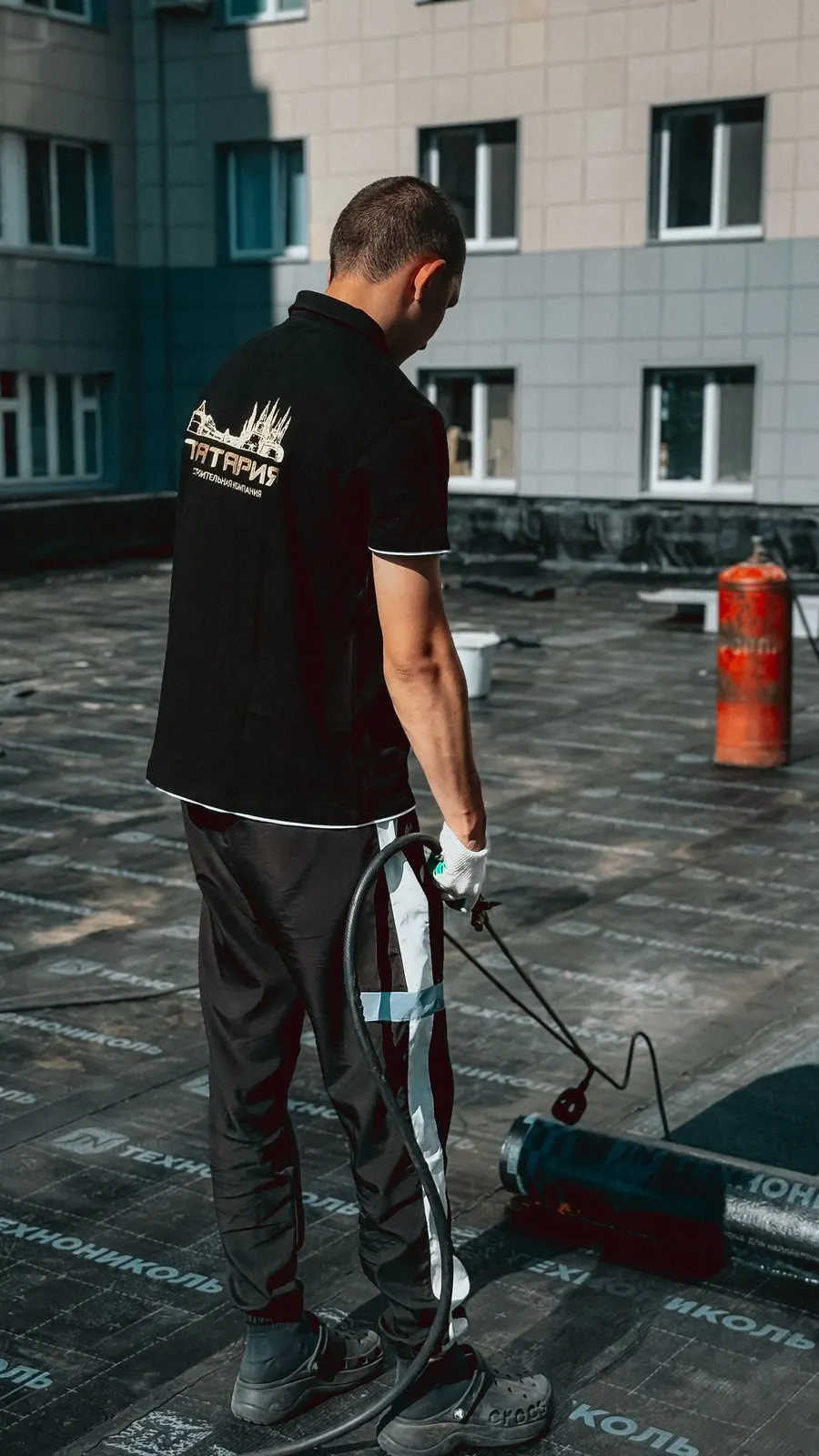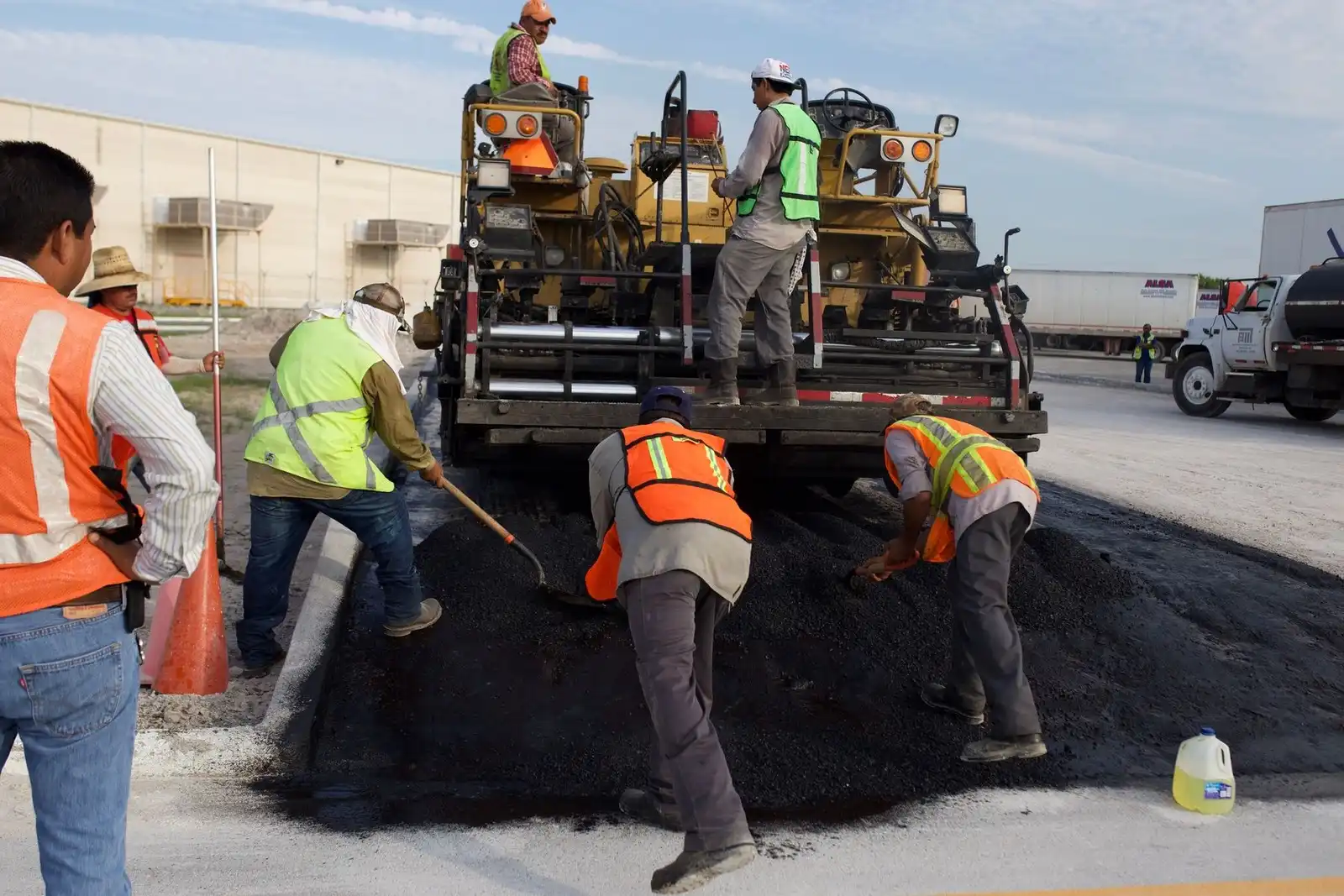
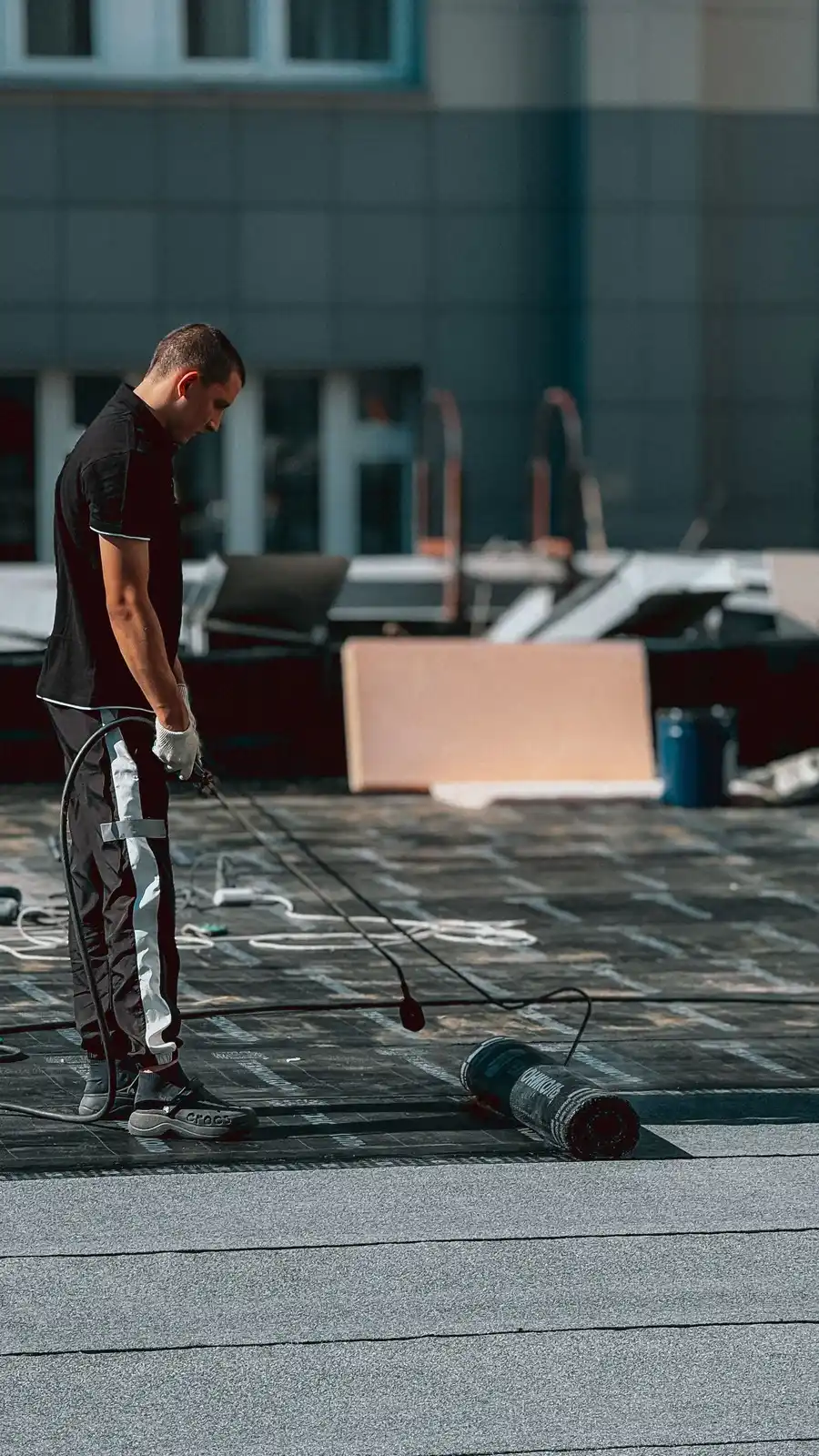
Bituminous materials are used in waterproofing systems for roofs, foundations and other structures. Their function is to form a continuous barrier that limits water penetration when the system is correctly designed and installed.
Common waterproofing systems
Prefabricated membranes typically combine a bituminous compound with reinforcement and protective surfacing. Liquid-applied coatings form a film after application and curing. Some systems use modified bitumen to achieve particular flexibility or service characteristics.
Typical applications
Applications include below-grade foundation protection, roofing assemblies, selected bridge-deck systems and moisture protection for other civil works. Each application requires a compatible product and a design appropriate to water pressure, movement and exposure conditions.
Installation considerations
- Prepare a clean, stable substrate according to the system specification.
- Control moisture, temperature and weather exposure during application.
- Pay particular attention to joints, overlaps, penetrations and terminations.
- Use primers, reinforcement and protective layers where required.
- Inspect the completed system before it is covered or put into service.
Choosing the right material
Penetration grade bitumen, oxidized bitumen, emulsions and formulated waterproofing products are not interchangeable by default. Select materials according to the manufacturer's system instructions, project standards and intended exposure.
Procurement checklist
Specify the intended waterproofing system, technical standard, application method, temperature range and required documentation. Global Synergy can discuss petroleum-derived materials relevant to industrial and construction supply chains.
Material selection versus complete waterproofing systems
A waterproofing membrane is a manufactured system, not simply a quantity of raw bitumen. Membrane reinforcement, polymer modification, substrate compatibility, overlaps and detailing affect water resistance. For below-grade structures, the design must also consider hydrostatic pressure, drainage and protection against damage during backfilling.
The Oxidized Bitumen and Emulsion Bitumen product families may be relevant to certain formulations, but neither should be represented as an approved finished waterproofing system without product-specific documentation. For roofing assemblies, read the Bitumen Roofing guide.