
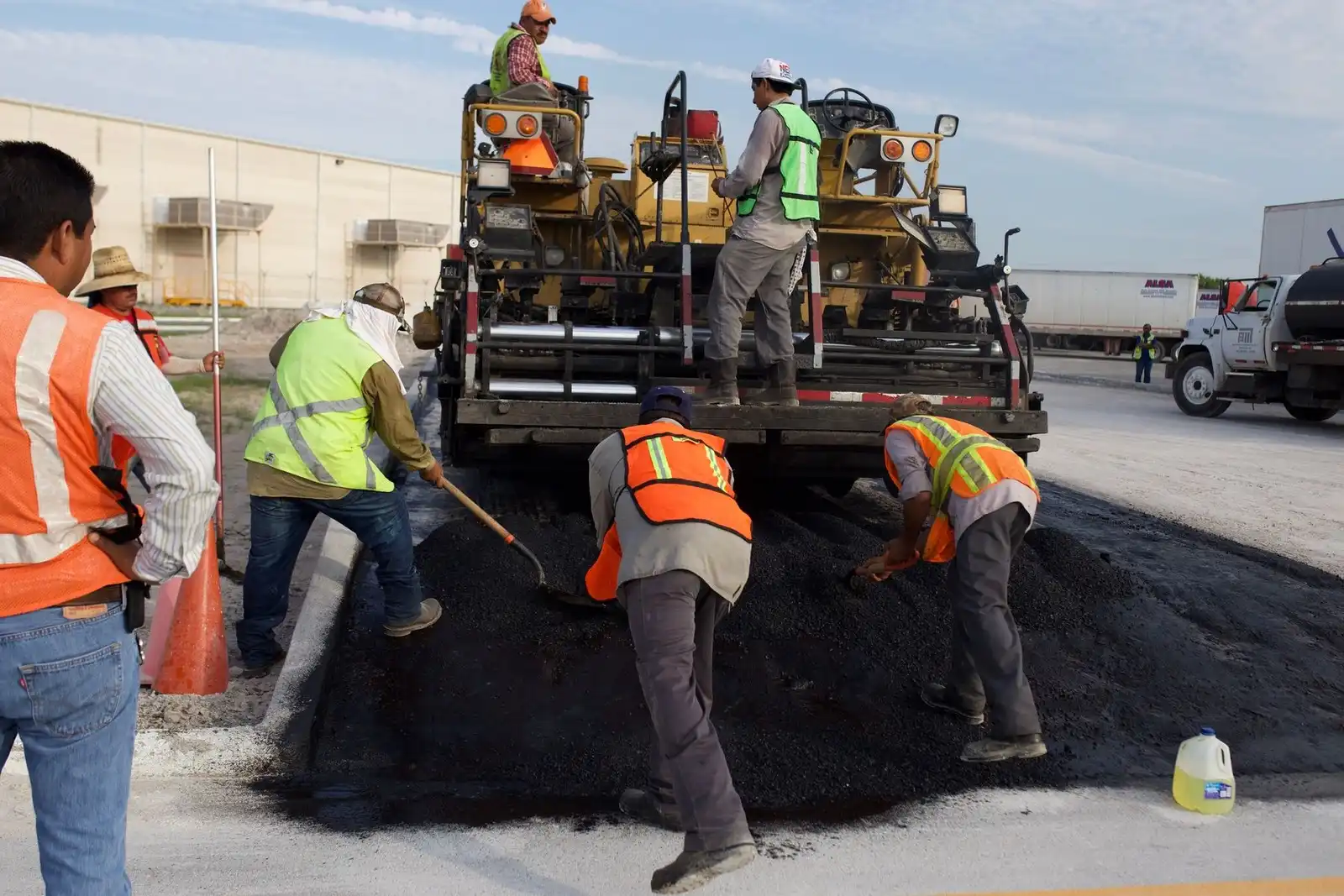
Bitumen is the binding component of many asphalt mixtures. It coats mineral aggregates and helps the compacted pavement resist traffic loads and environmental exposure. The binder is only one part of the system: aggregate grading, mixture design, production, placement and compaction all affect service life.
Where bitumen is used
Typical uses include asphalt wearing courses, binder courses, base layers and maintenance treatments. Different pavement systems may require paving-grade bitumen, modified binders, bitumen emulsions or cutback products, depending on the construction method and local specifications.
Binder selection and climate
Temperature strongly affects bitumen stiffness. A binder that is too soft for service conditions may contribute to permanent deformation, while one that becomes excessively stiff may increase cracking susceptibility. Engineers therefore select binders with reference to climate, traffic and applicable performance requirements.
Production and compaction
Mixing and compaction temperatures must follow the approved mixture design and supplier guidance. Excessive heating can accelerate binder aging; insufficient temperature may impair coating or compaction. Appropriate storage, handling and quality control are essential.
Common quality checks
- Binder certificate of analysis against the agreed specification
- Aggregate gradation and mixture design approval
- Asphalt production temperature and binder content
- In-place density, compaction and surface quality
- Traceability of delivered batches
Choosing a supplier
Buyers should confirm the precise grade, test method, delivery format, inspection documentation and destination requirements before ordering. For available grades and packaging, consult the relevant Global Synergy product pages.
Selecting a paving binder for the actual job
Start with the road authority or project binder specification. Climate, traffic loading, aggregate properties and asphalt production method all affect binder selection. A conventional penetration grade should not be substituted for a performance-graded binder or a modified binder without engineering approval.
Compare penetration bitumen for conventional hot-mix applications and bitumen emulsions for compatible maintenance or surface-treatment processes. Emulsion grades are not interchangeable: curing behavior, aggregate charge and the construction method matter. Read the penetration grade selection guide before requesting a grade-specific quotation.